


Why I Tell Stories Instead of Just Showing Data (And You Should Too)
By Scott Osborn – ASE Master Technician, Author of “Making Smart Choices“. Scott is an ASE Master Tech with 50+ years of experience helping shops grow through better communication.
In my 50 years of running shops and training technicians across the country, I’ve seen a recurring frustration. A technician spends 40 minutes performing a meticulous inspection, finds $1,200 worth of necessary safety repairs, and hands over a report full of codes and measurements.
What does the customer do? They stare at it blankly, feel overwhelmed, and say, “Let me think about it.”
When customers are confused, they do nothing. That’s a problem for your shop’s revenue, but more importantly, it means a driver is leaving in a vehicle that might not be safe. Over the decades, I’ve learned that the secret isn’t sending more data. It’s telling a better story.
Why Raw Data Fails Your Customers
Most of the people walking into your lobby aren’t mechanics. When we use words like “caliper,” “serpentine belt,” or “differential fluid,” it sounds like a foreign language to them. In my experience, a report full of red and yellow flags without context just feels like a sales pitch.
Without a narrative, trust breaks down. I’ve found that the missing piece isn’t a longer list of parts—it’s a story that helps the customer understand why this repair matters to their life.
My “Three-Act” Framework for Inspections
I like to coach shops to think of every Digital Vehicle Inspection (DVI) as a story with a beginning, middle, and end.
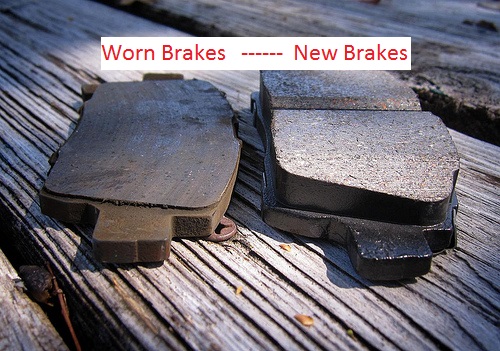
- Act One: Show the Problem. I always tell my techs: Stop writing ‘brake pads at 2mm.’ Instead, take a photo. When a customer sees the thin sliver of metal left on their own brake pad, the problem becomes real. An image does more work than any technical description I’ve ever written.
- Act Two: Explain the Stakes. This is where your expertise shines. If those pads aren’t replaced, what happens? I explain the safety risk. I show them how a $200 set of pads today prevents a $1,000 rotor and caliper job next month. This gives the story weight.
- Act Three: Offer the Solution. I end every “story” with a clear path forward. Using “before and after” photos from similar repairs is a strategy I’ve used for years. It shifts the customer’s mindset from “Do I have to pay for this?” to “I want my car to look like that fixed version.”
From Inspectors to Guides
One of the biggest shifts I see when shops adopt my software, Repair Shop Solutions, is how the technicians change. They stop acting like “inspectors” documenting failures and start acting like “guides” helping a neighbor.
I’ve found that when you frame an inspection as a story, the customer stops feeling “sold” and starts feeling “helped.” They ask better questions. They feel confident saying “yes” because they actually understand what they are agreeing to.
The Bottom Line: Stories Build Shops
Beyond building trust, this narrative approach is simply good for business. I’ve watched shops see their repair approval rates jump significantly just by switching from data dumping to storytelling.
Customers who feel educated and respected become loyal, long-term clients. They remember the shop that helped them understand their car, not just the one that handed them a bill. In my 50 years, that is the single best way to set your shop apart from the competition.
Your inspection report should start a conversation, not end one. The technology is already in your hands. Now, let’s use it to tell the story your customers need to hear.